Alfresco Connector for Search vs Traditional Search Tools: Making the Right Choice
March 26, 2026
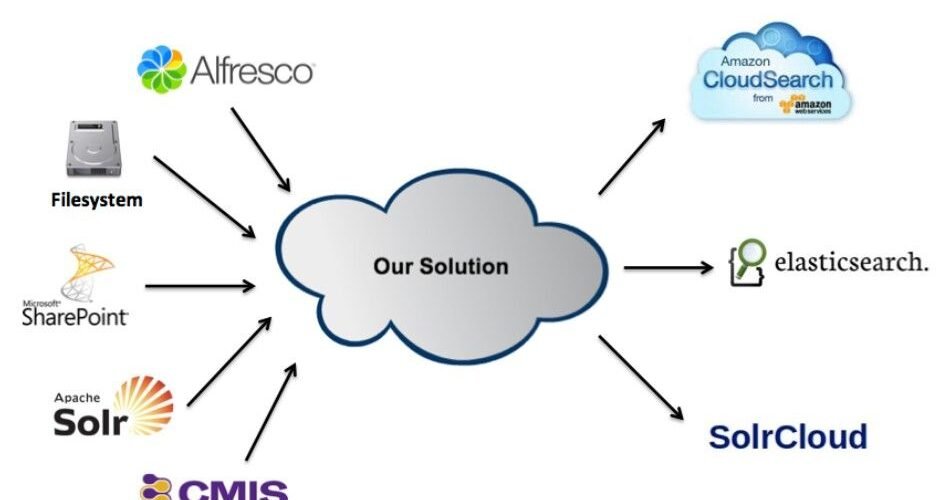
Choosing the right search tool for enterprise needs can be daunting in a world brimming with options. While traditional search tools have sustained businesses for years, connectors like Alfresco offer tailored solutions that aim to refine the enterprise content management process. The decision between an advanced system like the Alfresco connector and conventional search methodologies has significant implications for efficiency and knowledge management.
With an insightful comparison between Alfresco Connector and traditional search tools, this article seeks to guide organizations in making an informed decision. Below, we examine the features, strengths, and suitability of each approach in meeting the complex demands of modern enterprise search tasks.
Alfresco Connector for Search: Enhancing Enterprise Content Management
The Alfresco connector for search stands out for its ability to streamline content management within enterprises. By providing a powerful integration platform, Alfresco facilitates quick access to documents and data across various repositories, making information retrieval seamless and more efficient for users.
One of the key advantages of the Alfresco connector is its compatibility with sophisticated indexing and search technologies like Solr, which can bolster search performance and accuracy. This fine-tuning capability ensures that large volumes of content can be sifted through effectively, highlighting the connector’s adaptability to enterprise-scale needs.
For organizations looking to implement the Alfresco connector, it’s important to assess compatibility with existing systems and workflows. alfresco connector for search Engage with expert consultancy or conduct a pilot program to evaluate the connector’s integration potential and user adoption factors.
Traditional Search Tools in the Digital Workplace: Strengths and Limitations
Traditional search tools have established a foothold in digital workplaces due to their simplicity and familiar interface. They serve a fundamental role by allowing users to find information quickly without the need for complex configurations and specialized knowledge.
However, despite their accessibility, traditional search methods often fall short when it comes to handling the growing scale and diversity of enterprise content. Their limited indexing capabilities can lead to inefficient searches and missed information, which can be a significant bottleneck for large organizations.
Companies should carefully audit their information retrieval requirements before settling for a traditional search approach. Analyze specific needs such as search frequency, data volume, and necessary precision to determine if a traditional tool can adequately support your business objectives.
Comparative Analysis: Alfresco Connector vs. Traditional Search Tools
When comparing Alfresco connector with traditional search tools, the differences in scalability and functionality become apparent. The Alfresco connector is specifically designed for enhanced content discovery and management in large-scale enterprises, focusing on deep customization and comprehensive indexing.
Traditional tools, on the other hand, may provide quicker setup and ease of use, but they often lack the depth required for intricate content landscapes. These tools might suffice for smaller operations but could be a misfit for organizations seeking advanced search capabilities and metadata management. An example is a firm that requires advanced metadata refinement, which traditional tools might not support efficiently.
Assessing both options, organizations should weigh current needs against future growth. The Alfresco connector’s scalability and advanced features may be more appropriate for companies anticipating a sharp increase in content or anticipating integration with other enterprise applications down the line.
Making the Right Choice for Your Organization’s Search Needs
The right search tool for an organization hinges on the specific demands of its content management strategy. Those demands must reflect the scale, complexity, and anticipated evolution of the enterprise’s information architecture.
When evaluating which system to implement, consider factors such as total cost of ownership, staff training requirements, and the long-term adaptability of the tool. These considerations can greatly influence the sustainability and effectiveness of the chosen solution. For instance, while initial setup costs for a traditional search tool might be lower, the long-term scalability offered by the Alfresco connector could present a more prudent investment.
Ultimately, opt for a detailed comparison of the key features and potential limitations of both search methods. A thorough analysis ensures that your organization adopts a tool that not only meets current operational needs but also aligns with long-term business goals and the inevitably evolving digital landscape.
In conclusion, the Alfresco connector and traditional search tools offer distinct approaches to enterprise search needs. While the Alfresco connector excels at managing extensive and complex content systems, traditional tools provide a no-frills solution that might suffice for smaller entities. It is the careful examination of your organizational needs, including growth prospects and content management strategies, that will guide you to the search tool that best aligns with the needs of your business.