How Technology Is Shaping the Future of Human Resources
January 23, 2026
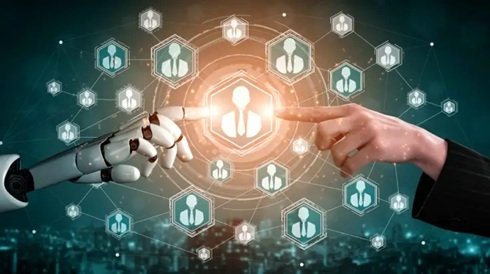
The digital revolution is transforming every corner of the modern workplace, and human resources (HR) is at the very forefront of this sweeping change. Over the past decade, innovations such as artificial intelligence (AI), advanced data analytics, and robust cloud-based software have fundamentally transformed how businesses attract, hire, develop, and engage their teams. These technological advancements have not only streamlined HR processes but have also changed the roles of HR professionals, requiring them to act as both strategic advisors and tech-savvy problem solvers. Forward-thinking organizations are steadily embracing these tools to gain a genuine competitive advantage, creating more streamlined and enjoyable experiences for both HR practitioners and employees alike. One way companies are keeping pace is by integrating trusted partners such as ADP HR services to ensure their HR operations remain both agile and compliant in an increasingly complex environment.
However, staying ahead in this fast-moving landscape requires more than simply deploying new technologies; it involves completely reimagining the processes, behaviors, and priorities that govern talent management, employee engagement, and performance tracking. Thoughtfully implemented technology can bring significant efficiencies, enhance employee well-being, and enable smarter, data-driven decisions. At its core, technology acts as an enabler for positive people experiences and strategic decision-making, provided it is properly aligned with the needs of both the workforce and the business. This article explores the many critical facets of how technology is shaping the future of HR, along with what organizations should consider to lead, not just follow, this next chapter of digital evolution.
AI in Recruitment
Advancements in artificial intelligence have truly revolutionized recruitment workflows across industries and organization sizes. Automated resume screening, chatbot-driven candidate engagement, and intelligent skill-matching algorithms are now central to modern talent acquisition strategies. AI solutions can rapidly scan thousands of resumes in moments, flagging the top candidates whose experiences align with the job requirements and helping recruiters avoid unconscious biases during the crucial initial selection phase. As a result, companies can fill roles faster and allocate their HR resources to more strategic, value-adding responsibilities, such as building culture and proactively sourcing talent. Notable HR tech giants and innovative startups have demonstrated that AI consistently reduces cost-per-hire and improves quality-of-hire metrics.
Additionally, machine learning tools are now conducting initial candidate assessments through automated interviews, using sentiment analysis and natural language processing to evaluate communication skills, problem-solving abilities, and even cultural fit. While these tools improve efficiency and scalability, it’s crucial for HR leaders to routinely audit AI algorithms for fairness and accuracy, ensuring ethical and inclusive hiring practices are firmly in place. Human oversight remains vital, as technology should support, not replace, the sound judgment of experienced recruiters.
Enhancing Employee Engagement
Modern HR platforms now offer advanced opportunities to track, understand, and enhance employee engagement at all levels of the organization. Real-time pulse surveys and AI-driven analytics deliver instant feedback about employee sentiment, allowing HR teams and managers to receive early warnings before small issues become larger problems. Features such as personalized rewards, digital recognition programs, and customizable communication channels allow organizations to celebrate achievements, nurture team bonds, and encourage a spirit of collaboration and loyalty. By empowering employees with regular channels for open feedback and recognizing accomplishments no matter how small, employers can foster deeper engagement, improve morale, and increase retention rates throughout the business.
These digital solutions do more than surface statistics; they also support action planning by identifying trends and sentiments within unique workforce groups. Managers can use these insights to address emerging needs, remove productivity obstacles, and create a more supportive work environment. Technology advocates believe that continuous engagement analytics represent one of the most powerful shifts in modern HR, reducing turnover and burnout as described in Forbes coverage of this topic.
Data-Driven Performance Management
Traditional, infrequent performance appraisals are fading in favor of data-driven models that provide continuous, real-time feedback. Organizations now leverage advanced analytics to monitor ongoing performance, set dynamic goals, and quickly identify both high-potential employees and those who may benefit from additional support. Predictive talent analytics are especially valuable because they help leadership anticipate voluntary turnover risk, enabling timely interventions that keep high-performing staff engaged and retained. This progressive shift moves HR away from relying solely on annual reviews and toward a culture of continuous coaching, feedback, and skill development, an approach shown to be far more effective for employee growth and alignment with organizational objectives.
The next generation of performance management systems is designed to integrate seamlessly with other critical business tools and applications, providing both managers and employees with actionable recommendations and clear roadmaps for improvement. These platforms help organizations ensure that performance is not just measured, but actively developed, resulting in more agile and successful teams.
Learning and Development Platforms
Today’s employees expect and demand continuous opportunities for learning and professional development, and technology is enabling organizations to offer engaging, personalized training at scale. AI-powered learning platforms can assess current skills, map gaps, and recommend individualized courses, microlearnings, or coaching resources that align with specific career goals. These systems take into account both business needs and employee aspirations, creating development paths that support talent mobility and foster a culture of lifelong learning. The flexibility of microlearning modules, short, focused bursts of content, makes it easier for employees to upskill efficiently, even when juggling competing priorities.
Further enhancing engagement, many organizations incorporate gamified learning experiences, immersive virtual reality simulations, and peer-to-peer knowledge-sharing communities. These innovations transform development programs from static to dynamic, ensuring employees gain meaningful competencies that drive personal and organizational success. The ultimate outcome? A workforce equipped to embrace change and innovate.
Remote Work and Digital Collaboration
The global shift toward remote and hybrid work arrangements has dramatically accelerated the adoption of digital collaboration and communication tools. Video conferencing, cloud-based document sharing, project management platforms, and real-time messaging apps have become essential for keeping teams aligned and productive regardless of where they work. These technologies enable both synchronous and asynchronous communication, allowing companies to maintain a strong company culture and effective teamwork across geographies and time zones. Organizations are also investing in virtual onboarding processes and digital employee handbooks to make remote employees feel just as welcome as those in the office.
The workplace of the future is increasingly blended, harmonizing the best of human expertise with the precision and scalability of AI-powered automation. Digital transformation is empowering individuals to work flexibly and organizations to expand their recruitment efforts beyond traditional geographic boundaries. This evolution not only increases access to highly skilled talent but also promotes inclusivity and workforce diversity.
Employee Well-being and AI
AI-powered wellness programs and connected smart wearables are bringing a data-driven approach to employee health, enabling organizations to take a proactive stance on well-being. These innovative wellness solutions can monitor daily physical activity, gauge stress levels, and even track sleep patterns through non-intrusive sensors. The insights from these aggregated wellness data points help HR teams tailor benefits, promote positive lifestyle changes, and develop resources that support holistic well-being, not only physical, but also mental and emotional. However, implementing such monitoring tools must be balanced with a strong commitment to privacy and consent, maintaining trust while supporting employees at all levels.
Ethical Considerations in HR Technology
As digital HR tools and solutions become more common, questions around privacy, transparency, and ethics are more pressing than ever. Transparency, accountability, and fairness aren’t just buzzwords; they must be built into any AI-driven HR initiative from the ground up. Organizations have an obligation to establish robust data governance frameworks, safeguard employee privacy, and continuously monitor their systems for signs of bias and unintended consequences. Engaging employees in the process, keeping communication channels open, and ensuring digital literacy across the organization will help the workforce adapt to change, while also maintaining trust and collaboration in digital workflows.
Future Trends in HR Technology
The horizon for HR technology is brighter than ever, with several groundbreaking trends shaping the next era of work. AI will continue to play a growing role, not only in recruiting but also in learning, performance management, and strategic workforce planning. Blockchain technology is emerging as a secure and efficient method for credentialing and managing sensitive employee data, offering transparency and trust as core advantages. Predictive analytics will become vital for forecasting talent needs, planning organizational growth, and shaping business strategies based on real-world data. The most successful organizations will remain adaptable and stay ahead of these trends, leveraging innovation to drive long-term growth, resilience, and employee satisfaction.
As we look ahead, it’s clear that technology is not just driving incremental changes; it is ushering in a transformative era for human resources. For leaders willing to embrace innovation while remaining committed to a human-centered approach, today’s new tools and fresh strategies offer unprecedented opportunities to build workplaces that are stronger, more agile, and truly supportive of every individual’s potential.